

Everything You Need to Know About Smoke Detectors

A smoke detector is one of the smallest devices in a home, but it has one of the biggest jobs. When fire starts, minutes matter. A working alarm can turn confusion into action before smoke spreads through hallways, doors, and sleeping areas.
Most people know they should have smoke detectors. Fewer people know where to put them, what type to buy, how often to test them, or when to replace them. That gap matters because a detector that is too old, poorly placed, or missing a battery may not protect the home when it needs to.
This guide covers the practical basics: how smoke detectors work, the main types, where they belong, how to maintain them, and what to do when they keep chirping or going off at the wrong time.
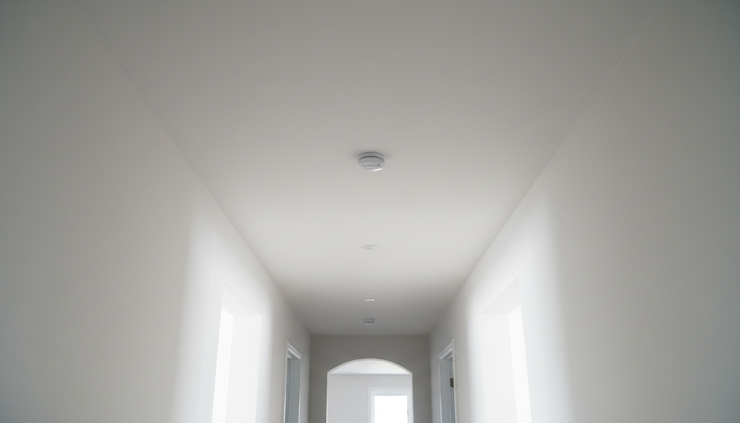
How smoke detectors work
Smoke detectors watch the air for signs of fire. When smoke enters the sensing chamber, the alarm sounds a loud warning so people can leave quickly.
Most home smoke detectors use one of two sensing methods: ionization or photoelectric. Some models use both.
Ionization smoke detectors
Ionization alarms are generally more responsive to fast-flaming fires. These are fires that grow quickly and produce smaller smoke particles, such as a paper fire or a grease fire.
Inside the device, a tiny amount of radioactive material helps create an electrical current between two plates. When smoke enters the chamber, it disrupts that current. The alarm detects the change and sounds.
The radioactive material is sealed inside the unit and is considered safe during normal use. Disposal rules can vary, so follow the manufacturer’s instructions or local waste guidance when replacing one.
Photoelectric smoke detectors
Photoelectric alarms are generally more responsive to smoldering fires. These fires can burn slowly before flames appear, often producing thick smoke. Examples include a cigarette smoldering in upholstery or overheated wiring inside a wall.
A photoelectric alarm uses a light beam and sensor. When smoke enters the chamber, it scatters the light. Once the sensor detects that change, the alarm sounds.
Photoelectric alarms are often a good choice near kitchens because they tend to be less prone to nuisance alarms from normal cooking than ionization alarms, though placement still matters.
Dual-sensor smoke detectors
Dual-sensor alarms include both ionization and photoelectric technology. They are designed to detect a wider range of fire types.
A dual-sensor model can be a smart choice in many parts of the home, especially where one alarm needs to cover more than one kind of risk. Some homes also use a mix of photoelectric and ionization alarms in different areas.
Smoke detectors are not the same as carbon monoxide alarms
Smoke detectors and carbon monoxide alarms protect against different dangers.
A smoke detector responds to particles from fire. A carbon monoxide alarm responds to carbon monoxide, a colorless and odorless gas produced by fuel-burning equipment, vehicles, fireplaces, generators, and similar sources.
Some devices combine both functions in one unit. These are often labeled as smoke and carbon monoxide alarms. Combination units can be useful, but check the label carefully. A carbon monoxide alarm alone does not detect smoke. A smoke detector alone does not detect carbon monoxide.
If a home has gas appliances, an attached garage, a fireplace, or fuel-burning heating equipment, carbon monoxide alarms are also a key part of home safety.
The main types of smoke detectors
Choosing a smoke detector is easier when the main categories are clear. The right option depends on the age of the home, wiring, budget, and whether you want connected features.
Type | How it is powered | Best for | What to know |
Battery-powered | Replaceable or sealed battery | Easy installation in most homes | Needs regular testing and battery attention |
Hardwired | Home electrical system, usually with backup battery | Newer homes or major remodels | Installation may require an electrician |
Interconnected | Wired or wireless connection between alarms | Larger homes and sleeping areas | When one sounds, all connected alarms sound |
Smart smoke detector | Wi-Fi or app-connected, often with alerts | People who want phone notifications | Still needs proper placement and maintenance |
Battery-powered alarms
Battery-powered alarms are common because they are simple to install. Many use replaceable batteries. Others have sealed 10-year batteries that are not meant to be removed.
Replaceable-battery alarms need fresh batteries when the unit signals a low battery. Some people change batteries on a set schedule, such as when daylight saving time changes, but the alarm’s instructions should guide the exact approach.
Sealed-battery models are convenient because there is no loose battery to forget. When the sealed battery reaches the end of its life, the entire alarm gets replaced.
Hardwired alarms
Hardwired smoke detectors connect to the home’s electrical system and usually include a backup battery. If the power goes out, the battery keeps the alarm working.
Many newer homes have hardwired, interconnected alarms. If one detects smoke, all alarms in the system sound. This is especially useful at night because a fire in a basement or living room may trigger alarms near bedrooms.
Smart smoke detectors
Smart alarms can send alerts to a phone, identify which room triggered the alarm, or give voice warnings. Some can connect with other home devices.
These features are helpful, but they do not replace the basics. A smart alarm still needs to be installed in the right place, tested, kept clean, and replaced when it expires.

Where smoke detectors should be installed
Placement matters as much as the alarm itself. A good alarm in the wrong spot may detect smoke too late, or it may trigger so often that people remove the battery.
For most homes in the United States, common guidance is to install smoke alarms:
Inside every bedroom
Outside each sleeping area
On every level of the home
In the basement
Near stairways when possible
Local building codes can add specific requirements, especially for rentals, remodels, and new construction. If there is any doubt, check local code or ask a qualified electrician or fire safety professional.
Ceiling and wall placement
Smoke rises, so ceilings are often the best location. If an alarm is mounted on a wall, it should sit high on the wall, following the manufacturer’s spacing instructions.
Avoid placing alarms too close to corners, vents, ceiling fans, or windows. Moving air can push smoke away from the sensor and delay detection.
Kitchen placement
Kitchens need careful placement because cooking can cause nuisance alarms. Do not place a smoke detector directly over the stove or too close to normal cooking steam and smoke.
If alarms go off often during regular cooking, the solution is usually better placement or a different sensor type, not removing the alarm. A photoelectric model placed at a reasonable distance from the cooking area often works better than an alarm mounted too close to the stove.
Bedroom placement
Bedroom alarms are especially valuable because people may not wake up quickly when smoke begins spreading elsewhere. Closed bedroom doors can slow smoke movement, which is good for fire safety, but it also means alarms outside the room may not detect smoke inside as quickly.
For strong coverage, install alarms inside bedrooms and outside sleeping areas.
How often to test and maintain smoke detectors
A smoke detector is not a set-it-and-forget-it device. Dust, age, dead batteries, and damage can all affect performance.
A simple routine keeps alarms ready.
Test alarms monthly
Press the test button once a month. The alarm should sound loudly. If it does not, replace the battery or the unit, depending on the model and the instructions.
Warn anyone nearby before testing, especially children, older adults, pets, or anyone sensitive to loud sounds.
Keep alarms clean
Dust can interfere with sensors. Gently vacuum around the alarm using a soft brush attachment, or wipe the exterior with a dry cloth. Do not paint over a smoke detector. Paint can block openings and affect the sensor.
Avoid spraying cleaners, air fresheners, or insect sprays near alarms. These can damage the unit or trigger false alarms.
Replace batteries when needed
If the alarm uses replaceable batteries, change them when the alarm chirps for low battery or according to the manufacturer’s schedule. Use the battery type listed in the instructions.
Never remove a battery to stop nuisance alarms and leave it out. A silent alarm cannot protect anyone.
Replace the unit after 10 years
Most smoke detectors should be replaced after 10 years. The date is often printed on the back or side of the unit. If there is no date, or if the alarm looks old and you cannot confirm its age, replacing it is the safer choice.
Sensors wear out over time, even if the test button still makes noise. The test button confirms the horn and basic power, but it does not prove the sensor is as responsive as it was when new.

What different sounds mean
Smoke detectors communicate through patterns. The exact meaning can vary by model, so the manual is the best source. Still, some patterns are common.
A loud repeating alarm usually means the device has detected smoke or a dangerous condition. Treat it seriously. Get people out, call emergency services from a safe location, and do not go back inside until authorities say it is safe.
A single chirp every minute or so often means a low battery or end-of-life warning. Replace the battery if the model has one. If the chirping continues, the unit may need replacement.
A random chirp can be caused by dust, a loose battery, a dying unit, or power interruptions in hardwired alarms.
A voice alert on newer models may announce the problem, such as smoke, carbon monoxide, low battery, or end of life.
If an alarm keeps sounding and there is no visible smoke, still check carefully. Look for overheated appliances, electrical smells, haze, or smoke in another room. If there is any doubt, leave the home and call for help.
Why smoke detectors cause nuisance alarms
Nuisance alarms are frustrating, but they usually have a cause. Common triggers include:
Cooking smoke or steam
Shower steam near hallways
Dust inside the sensor
Insects entering the alarm
Alarms placed near vents or fans
Low batteries
Aging sensors
The fix depends on the cause. Cleaning the alarm may help if dust is the issue. Moving it farther from a kitchen or bathroom may reduce steam-related triggers. Replacing an old alarm can solve recurring false alerts.
Do not disable an alarm because it is annoying. Fix the cause instead.
Special situations that need extra attention
Some homes and households need more than a basic setup.
Large homes
In a larger home, interconnected alarms are especially useful. If a fire starts far from the bedrooms, a single alarm may not be loud enough to wake everyone. Interconnected alarms solve that problem by sounding throughout the home.
Homes with closed doors
Closed doors can slow fire and smoke, which can save lives. They can also reduce how quickly smoke reaches a hallway alarm. This is one reason bedroom alarms matter.
People who are hard of hearing
Standard alarms may not be enough for people who are deaf or hard of hearing. Many safety products use strobe lights, bed shakers, or low-frequency sounds. These options can make warnings more noticeable during sleep.
Rental homes and apartments
Renters should know where alarms are located and report missing, damaged, or chirping units promptly. Landlords often have legal duties around smoke alarms, but requirements vary by state and city. Keep communication in writing when reporting a safety issue.
How to choose the right smoke detector
Before buying, check what the home already has. A hardwired system should usually be replaced with compatible hardwired alarms. Battery-powered alarms may be simpler in older homes without wiring.
Look for these features:
UL listing or another recognized safety certification
Photoelectric, ionization, or dual-sensor detection
Battery backup for hardwired units
Interconnection, especially near sleeping areas
Clear end-of-life warning
Easy access to the test and silence buttons
Sealed 10-year battery if low maintenance is a priority
For many homes, a mix of interconnected alarms with strong bedroom coverage is a practical goal. The best setup is the one that provides full coverage and stays maintained year after year.

A simple smoke detector checklist
Use this quick checklist to review a home in a few minutes:
There is a smoke alarm inside every bedroom.
There is a smoke alarm outside each sleeping area.
There is a smoke alarm on every level, including the basement.
Alarms are not blocked, painted, or covered.
Alarms are not installed too close to vents, fans, showers, or stoves.
Every alarm sounds when tested.
Batteries are fresh or sealed units are still within their service life.
Each alarm is less than 10 years old.
Everyone in the home knows what the alarm sounds like.
Everyone knows how to leave the home safely if an alarm sounds.
Smoke detectors are simple, but they are not optional background hardware. They need the right type, the right location, and a small amount of regular attention. Check the dates, test the alarms, replace weak batteries, and make sure sleeping areas are covered. Those few minutes of care can make the difference when every second counts.


Comments